


What Are Contingencies in Real Estate?
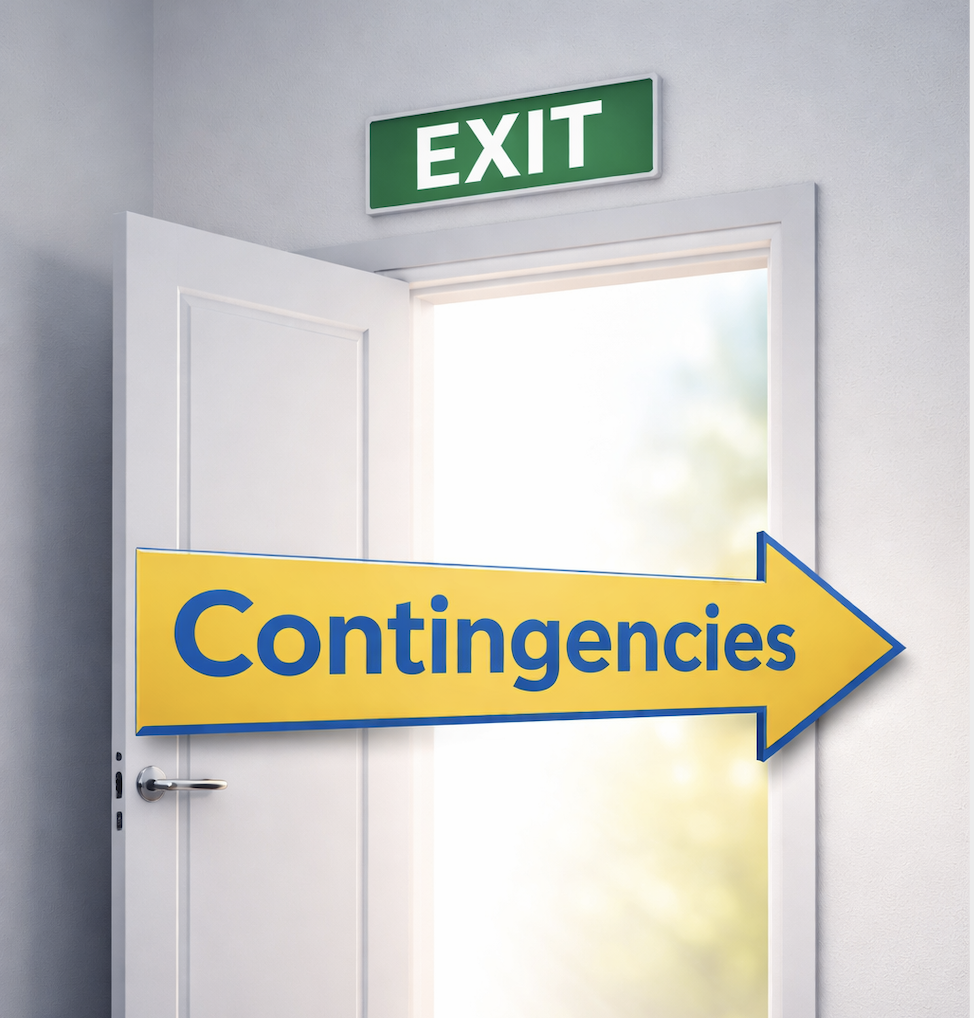
What if you could walk away from a home purchase with zero financial risk…would you? In today’s competitive East Bay market, many buyers feel pressure to waive contingencies to win. But before you give up your safety net, it’s important to understand what those contingencies really are: your “exit doors” if something doesn’t go as planned.
What Are Contingencies in a Home Purchase Agreement?
Let’s simplify it.
Contingencies are built-in protections in your purchase agreement that give you the ability to exit the contract without losing your deposit if certain conditions aren’t met. In other words, contingencies are your exit doors.
In a standard California residential purchase agreement, there are four primary contingencies:
1. Inspection Contingency
This allows you to investigate the condition of the home, including structure, roof, foundation, pest, and more. If something significant is discovered and you’re not comfortable moving forward, this exit door allows you to cancel the contract and keep your deposit.
2. Appraisal Contingency
Your lender will order an appraisal to confirm the home’s value. If the property appraises for less than the agreed purchase price, this contingency gives you the option to renegotiate, or walk away without penalty.
3. Loan Contingency
Even with a strong pre-approval, final loan approval is not guaranteed. This contingency protects you if your financing falls through, allowing you to exit the agreement without losing your deposit.
4. Insurance Contingency
In today’s California market, securing homeowners insurance can be more challenging than ever. This contingency ensures you can obtain acceptable insurance coverage. If you cannot, this exit door allows you to cancel the contract safely.
Should You Keep or Waive Contingencies?
This is where strategy comes in, and there is no one-size-fits-all answer. In a highly competitive market like much of the East Bay, buyers are often tempted to waive contingencies to make their offer more attractive. However, doing so means closing those exit doors and taking on more risk.
Here’s a simple way to think about it:
Keep contingencies if you want maximum protection and flexibility. Waive contingencies only when you fully understand (and are comfortable with) the risks involved.
Many successful buyers today are striking a balance by:
- Conducting inspections upfront
- Reviewing disclosures in detail before making an offer
- Shortening contingency timelines instead of removing them entirely
Why This Matters More Than Ever
With low inventory and strong competition in the East Bay, it’s easy to focus on “winning” the home. But the real goal is making a smart, informed decision that protects your financial future. Understanding your contingencies (and how to use them strategically) can be the difference between a confident purchase and a costly mistake. If you have more questions about contingencies, contact us. If you’re thinking about buying a home in the East Bay and want to understand which “exit doors” make sense for your situation, let’s talk. Our team can help you craft a strategy that balances competitiveness with protection, so you can move forward with confidence.
Quick Answer:
Contingencies in real estate are built-in protections that allow buyers to cancel a purchase contract without losing their deposit if certain conditions aren’t met. The four main contingencies in California are inspection, appraisal, loan, and insurance, each acting as an “exit door” to protect buyers during the transaction.